New Delhi, 29 September:In a significant step towards promoting community-led sustainability, the New Delhi Municipal Council (NDMC) has declared Bapu Dham at Chanakyapuri as its fourth “Anupam Colony.” This prestigious recognition highlights the colony’s exemplary efforts in waste segregation and composting recycling as part of NDMC’s flagship initiative.
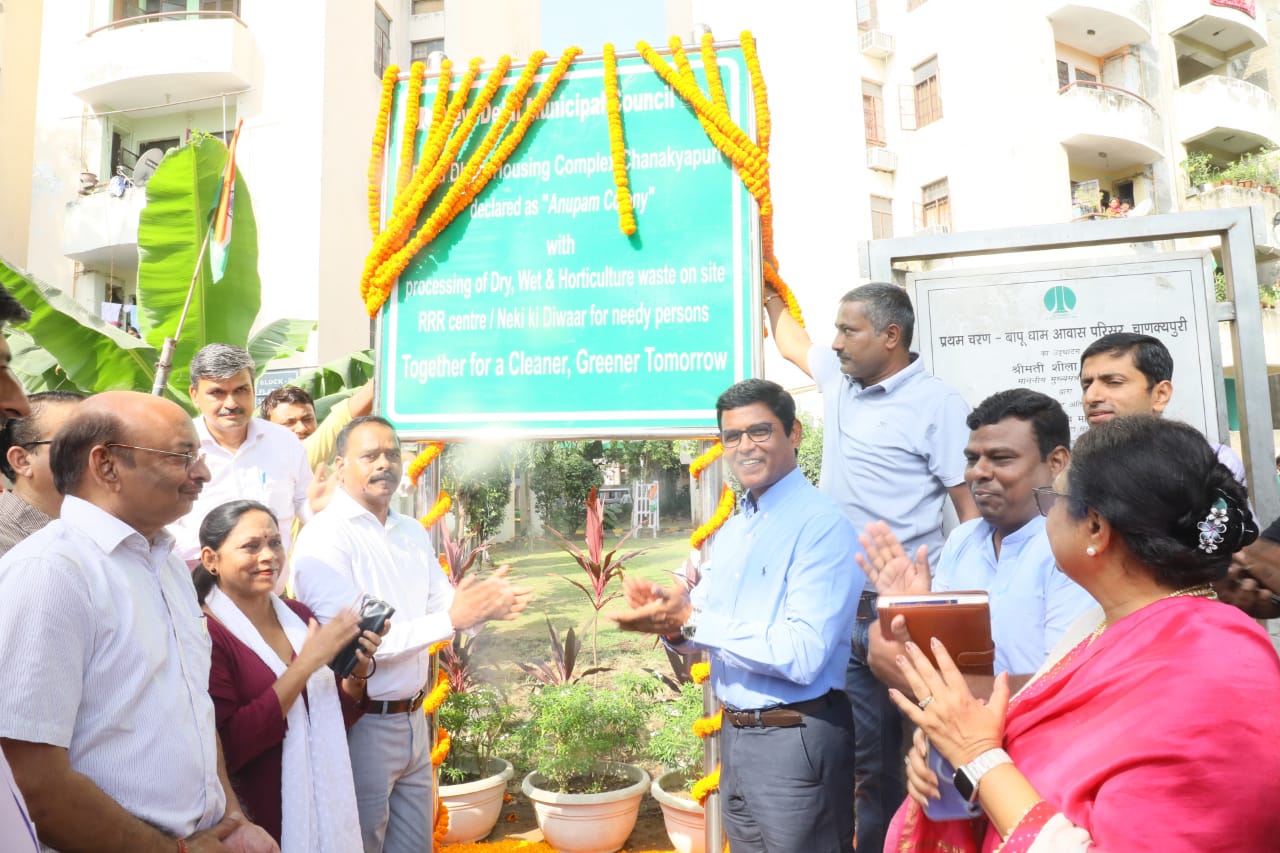
The announcement was formally made by NDMC Chairman, Shri Keshav Chandra, in the presence of Secretary NDMC Shri Tariq Thomas, Shri Rajiv Kumar Jain, Advisor (SWM), senior NDMC officials, the President and members of the local residential association, and enthusiastic residents of the colony. To mark the occasion, the newly unveiled “Anupam Colony” board was inaugurated within the premises of Bapu Dham.
On the occasion Shri Chandra stated that, “Being recognized as fourth ‘Anupam Colony’ is a proud milestone for us. This achievement has been possible only through the cooperation of our residents, the dedication of our support staff, and the proactive assistance of NDMC. We remain committed to making our colonies a model of sustainable practices in cleanliness, composting, and recycling.”
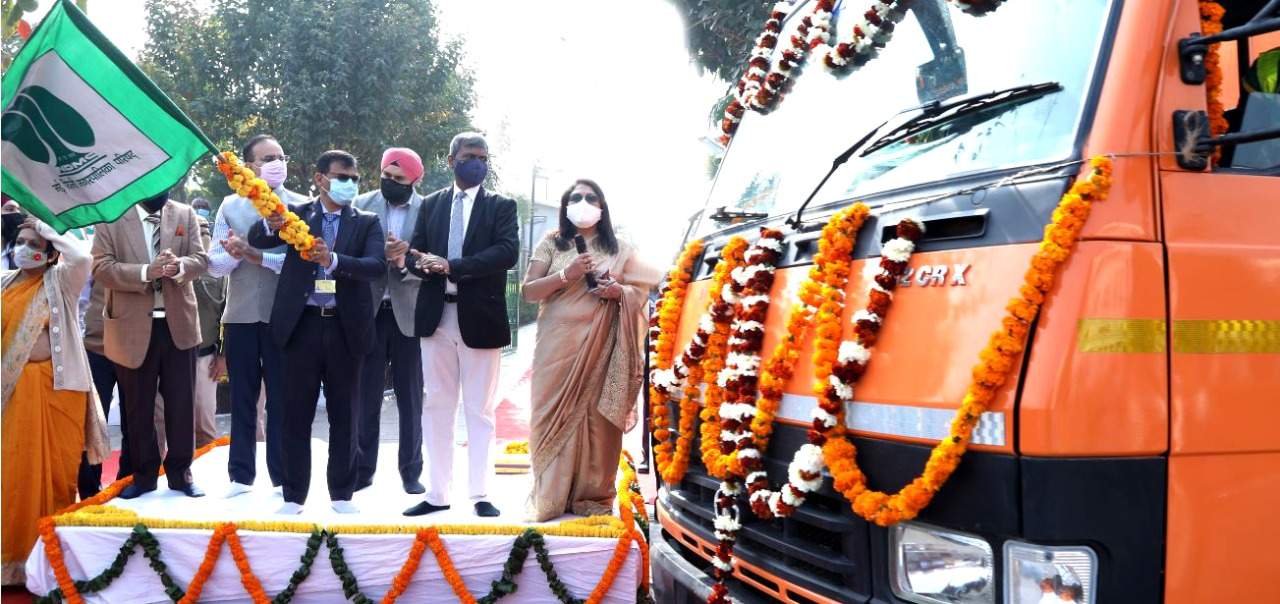
The Chairperson, NDMC also flagged off a Tempo of organic compost for use in the parks of Horticulture Department. He also sapling a plant of Neem on the ground of Bapu Dham in the presence of Director (Horticulture), NDMC – Shri Jitender Singh Dabas. “Neki Ki Deewar” (Wall of Kindness) – a community initiative to donate reusable items for the benefit of underprivileged individuals was also introduced at the Bapu Dham premises.
During their visit, NDMC officials toured the colony’s composting site and inaugurated a RRR (Reduce, Reuse, Recycle) Centre—two integral pillars of the Waste recycling Project, those reflecting the shared vision of institutional and community partnership for a cleaner future.
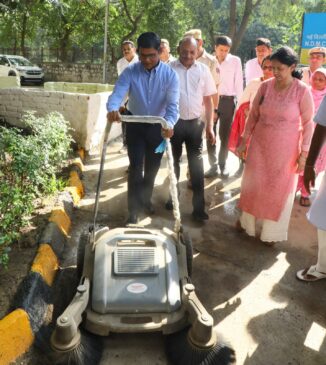
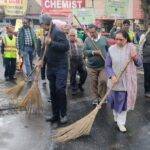
The Chairman, NDMC Inaugurated Mechanical sanitation – mechanised sweeping in place traditional sweeping by brooms and introduced the mechanical sanitation scheme at the Bapu dham Colony, it is first of its kind in NDMC colony where sweeping and other sanitation work will be done through mechanical apparatus and tolls. Bapu Dham colony becomes Delhi first colony with mechanised sweeping.
The Society expressed its deep appreciation to Dr. Shakuntla Shrivastava, Medical Officer of Health, NDMC, for her continuous support and coordination, and acknowledged the valuable guidance of Dr. Ankita Rai, Medical Officer, and the Area Sanitary Inspector of NDMC.
The recognition of Bapu Dham further reinforces NDMC’s mission to inspire, encourage, and celebrate community participation in sustainable urban development, while strengthening Delhi’s journey towards becoming a cleaner and greener capital city.
Earlier, NDMC had conferred the title of “Anupam Colony” on three residential complexes – D1, D2 and Satya Sadan Officers’ Flats, Bharti Nagar and Aradhana (Burmah Shell Cooperative Housing Society Ltd)—all of which stand as role models of environmentally responsible living.
Vice Chairman, NDMC inaugurates Generative AI exhibition by students – “The Aces of AI” at Navyug School Sarojini Nagar.
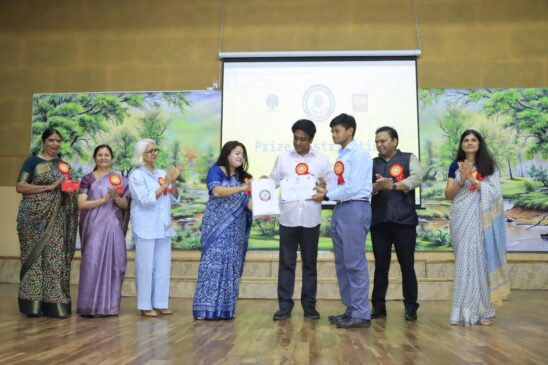
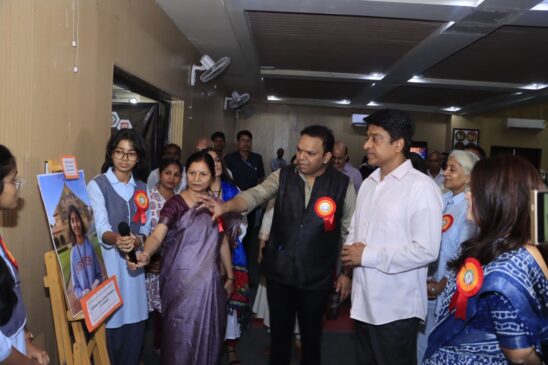
New Delhi Municipal Council (NDMC), Vice Chairman – Shri Kuljeet Singh Chahal inaugurated Generative AI exhibition by students – “The Aces of AI” and gave away the Awards among the students at Navyug School, Sarojini Nagar, New Delhi today.
NDMC in collaboration with Homi Lab, proudly organized “The Aces of AI”, a first-of-its-kind initiative offering structured training in Artificial Intelligence (AI) and use of Virtual Reality for NDMC school students, culminating in an innovative exhibition showcasing their work.
After inaugurating the exhibition, Shri Kuljeet Singh Chahal, Vice Chairman (NDMC) stated that “Artificial Intelligence (AI) is shaping the future and empowering the new generation with creativity, critical thinking, and problem-solving abilities.”
Shri Chahal said that this is the first initiative of its kind, in which students from NDMC schools received systematic training in Artificial Intelligence (AI) and Virtual Reality, followed by an exhibition of their work.
Shri Chahal explained that this program provides students with the opportunity to experience AI in practical ways for the first time in Delhi government schools. Through this, students have been able to learn, experiment, and use AI technology to create new concepts and find solutions to real-life problems.
Shri Chahal stated that this initiative aligns with the vision of Hon’ble Prime Minister Shri Narendra Modi, who stated, “AI is writing the code of humanity in this century.” “Double AI – Artificial Intelligence and Aspirational India.” He added that NDMC is committed to incorporating future-ready skills into its curriculum through this program.
Giving details about the program, Shri Chahal said that this initiative was launched for students in grades 9 through 12 at NDMC and Navyug schools. More than 6,000 hours of training was provided to 300 students. Students were exposed to new learning through more than 15 modern AI tools, including Machine Learning, Generative AI, and Virtual Reality Labs. This training was conducted under the guidance of the founder of Homi Lab.
On this occasion, Director (Education), Ms. Kritika Chaudhary, stated that Homi Lab, India’s first Future-Skills Lab, fosters curiosity, creativity, and innovation among students through programs based on AI, robotics, and new technologies. She said, “This initiative is a milestone for NDMC schools and a major step towards preparing students for future jobs and innovations.” At today’s event, the best-performing students were recognized and awarded for their projects, which included AI-generated text, images, and interactive applications.
This initiative is closely aligned with the National Education Policy 2020, which emphasizes experiential learning and digital literacy, and supports the national vision of Viksit Bharat 2047 as articulated by Hon’ble Prime Minister Shri Narendra Modi and early exposure to technologies like AI is critical in shaping the youth as global leaders in innovation.