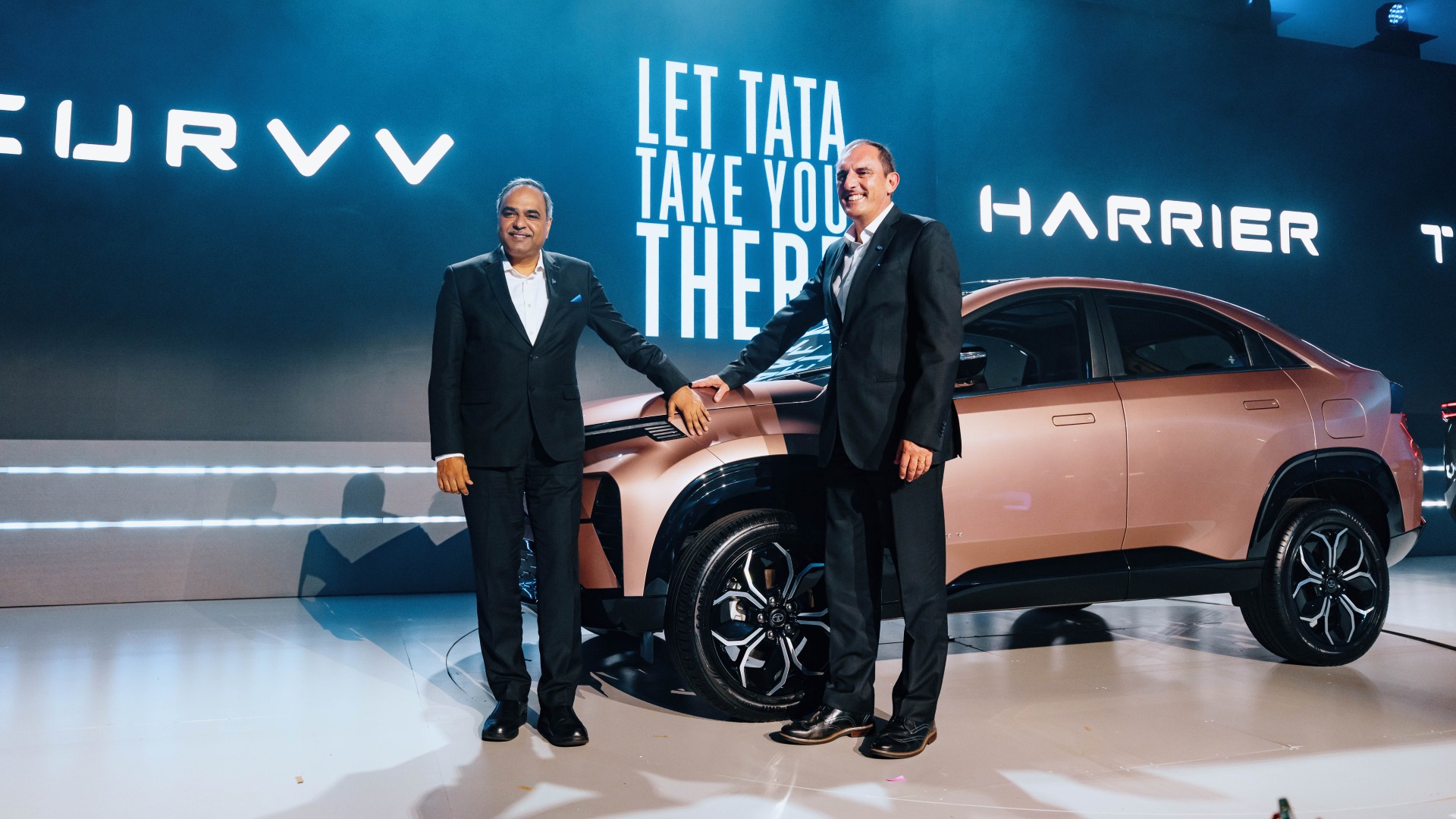
New Delhi, Aug 20 . Indian automobile manufacturer Tata Motors on Wednesday announced that it has re-entered the South African passenger vehicle market after six years. The company has launched three SUVs and an entry-level compact hatchback.
Tata Motors has launched models like Punch (compact SUV), Curve (coupe inspired SUV), Tiago (hatchback) and Harrier (premium SUV) in the South African market. All these models are based on conventional fuel (petrol-diesel) and will be available for sale from September.
Shailesh Chandra, Managing Director, Tata Motors Passenger Vehicles Limited and Tata Passenger Electric Mobility Limited, said, “Our return to South Africa is an important milestone in Tata Motors’ global journey. We are excited to bring our new generation vehicles with cutting-edge technology, unmatched safety and modern design to a market that values safety, quality and innovation. By having Motus as our preferred partner, we are confident of providing customers with a great ownership experience that will also contribute meaningfully to the local economy of South Africa.”
According to an official statement, the company will operate through 40 dealerships, which is planned to be expanded to 60 by 2026. Tata’s passenger car division has appointed Motus Holdings as its exclusive distributor in South Africa.
Tata Motors is expected to compete with the currently dominating Chinese brands in the South African markets. The growing demand for budget-friendly cars is pushing global automakers to offer more choices to customers and also prompting overseas automakers to stop relying on low-cost imports from India and China.
In South Africa, Tata Motors faces competition from Chinese automakers such as Chery Group, BYD, Beijing Automotive and GWM, which have introduced competitively priced vehicles with various powertrains in recent years.
The Indian carmaker had quit the South African passenger vehicle market in 2019 after selling brands such as the Indica hatchback. The Indica hatchback was affordable but received a mixed response from consumers. However, the company retained its commercial vehicle operations in South Africa.