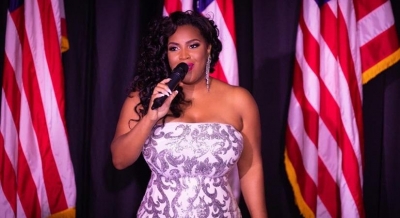
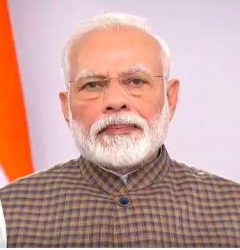
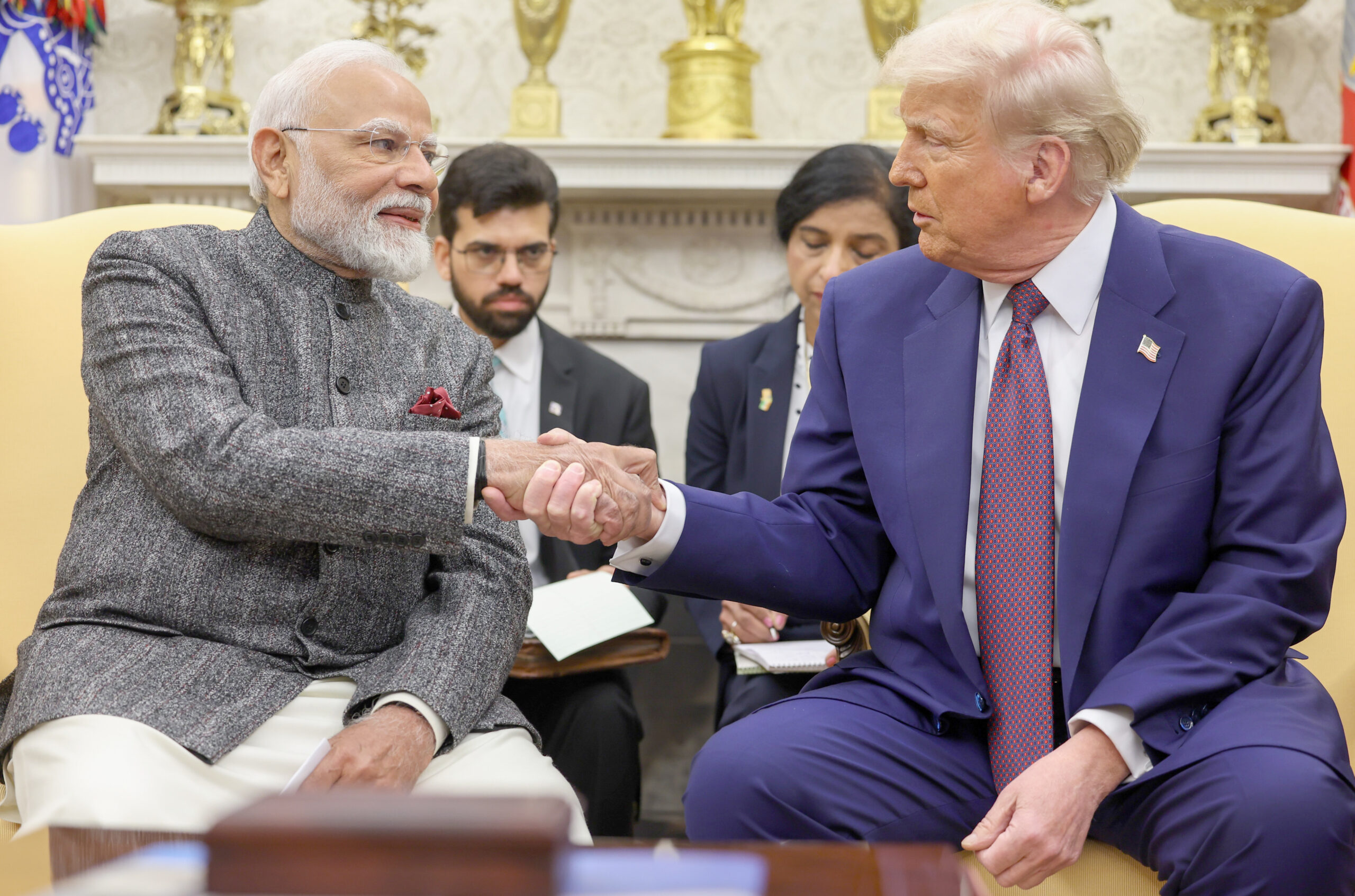
Washington, January 28 Singer and actress Mary Milben, delivering a powerful message on global leadership and diplomacy, said that Prime Minister Narendra Modi’s handling of the tensions between India and the US has further enhanced his reputation worldwide. She said that Prime Minister Modi’s dignity and thoughtful diplomacy have strengthened him on the global stage.
Mary Milben also said that President Donald Trump and Prime Minister Modi have a personal understanding, but true friendship requires acknowledging mistakes. She said that many people in the US, including herself, disagree with the Trump administration’s recent harsh statements against India.
She said that she has consistently urged President Trump and will continue to do so to treat India as a friend and ally. According to her, the relationship between the two countries should be based on respect, partnership, and shared democratic values.
Recalling her two decades of close association with the US presidency, Milben said that 2026 will mark “20 years of my relationship with the US presidency,” which began in 2006 when she was appointed by the President to the White House for President George W. Bush. She subsequently presented for five consecutive US presidents and their administrations.
She said, “I thank God for this wonderful rapport and the opportunity to be their ambassador to the US. This proximity to the presidency has introduced me to the world and world leaders, including China and President Xi, Russia and President Putin, and India’s Prime Minister Narendra Modi.”
Mary Milben said that she has openly admired Prime Minister Modi for years, praising his moral values, humility, compassion for the Indian people, and understanding of innovation. She said that she now admires the Prime Minister “for his measured and strategic diplomacy during the current economic tussle with the US.”
He said, “His dignified composure under pressure has made him one of the most respected world leaders in geopolitics.”
He noted that even when the US significantly changed its stance toward India last year, Prime Minister Modi remained composed and dignified. When the US threatened to impose higher tariffs, India took steps to strengthen ties with new global partners. According to Mary Milben, the Prime Minister’s silence at times demonstrates his strength. He said that due to US policy, India has strengthened ties with China, Russia, and now Europe.
He described the trade agreement between India and the European Union as historic. He said, “This historic trade agreement between India and the EU today is a significant moment in geopolitics. This agreement sends a strong message that sovereignty, security, and freedom remain core values of democracy and trade.”
Reflecting on her years of association with the White House, Milben said, “Over the years of working and singing for the American presidency, I have learned that without true friends in the form of allies around the world, America will fail to maintain its position as a major superpower.”
Addressing India, Mary Milben said that the United States is a friend of India. She reiterated that she will continue to tell President Trump that relations with India should be based on friendship and partnership.
“Our two countries, the world’s oldest and largest democracies, share a history linked through sovereignty and independence,” she said.
Appealing directly to the US President, Milben said, “Mr. President, you know I respect you greatly and always pray for your well-being, but now is the time for change. Apologize to the Prime Minister and restore our relationship with India. Regain value for the 4.5 million Indian Americans here at home, and rebuild our credibility in global politics.”
He said that if the US wants to lead peace, it must pursue a path of peace with India, Europe, and the entire world. According to him, positive policy changes are not a sign of weakness, but of strength and courage.
Concluding, he said that in recent years, India and the US have increased cooperation in defense, technology, and people-to-people relations, although differences remain on trade and policy.